Top Reasons Heat Treatment Is Essential for Effective Bed Bug Eradication
Heat treatment has emerged as a critical method in the battle against bed bugs. This method successfully addresses all life stages of these pests, ensuring thorough eradication. Unlike chemical solutions, thermal energy permeates multiple surfaces, reaching areas often overlooked. Furthermore, it delivers environmental and wellness benefits. Examining the distinctions of heat treatment relative to alternative approaches can explain its rising prominence. What are the specific advantages that make this method stand out?
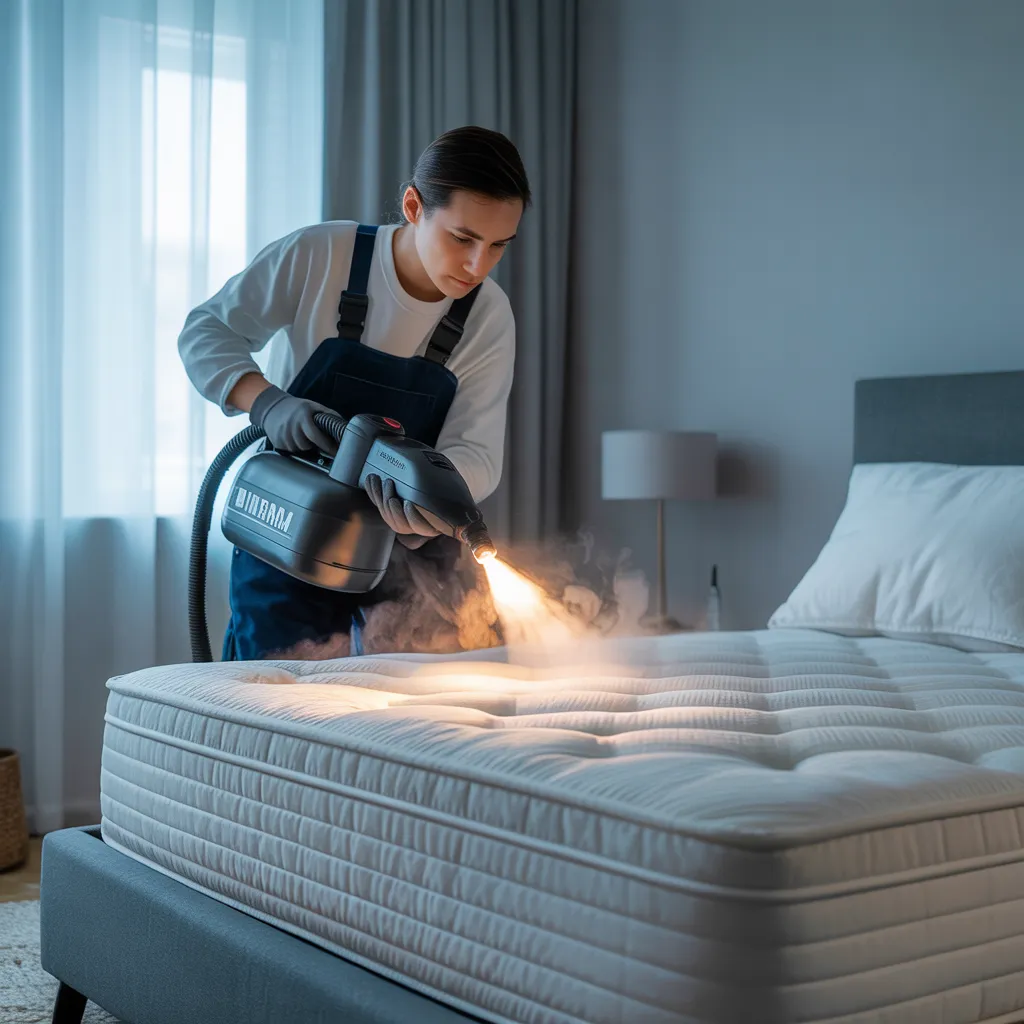
How Thermal Treatment Effectively Eliminates Bed Bugs
Heat treatment is recognized as a powerful method for eliminating bed bugs, employing high temperatures to combat these hardy pests. This process involves increasing the ambient temperature of infested areas to temperatures that prove fatal to bed bugs and their eggs. Typically, temperatures of around 120°F (49°C) are adequate to kill bed bugs in a matter of minutes.
In contrast to conventional pesticides, which tend to leave toxic remnants and necessitate frequent reapplication, heat treatment penetrates all surfaces, ensuring thorough coverage. It successfully targets concealed spaces such as cracks, crevices, and upholstery, where bed bugs often hide.
Furthermore, heat treatment is a green solution, as it eradicates the need for chemical treatments that could endanger the health of humans and pets. By quickly raising the temperature and keeping it consistent for a predetermined amount of time, heat treatment not only exterminates existing infestations but also helps prevent future outbreaks, making it a vital method in bed bug management.
A Guide to Understanding Bed Bug Life Cycles: Key Facts
Grasping the life cycle of bed bugs is essential for successful control methods. This includes distinguishing their various life stages, reproductive rates, and how environmental conditions affect their behavior. Understanding of these factors can considerably assist in addressing infestations.
Bed Bug Life Stages
The bed bug life cycle is made up of several distinct stages that play a critical role in effective pest control. This cycle begins with the initial egg stage, in which a female bed bug deposits up to five eggs each day, with each egg being roughly 1 millimeter long. Following approximately one week, the eggs hatch into nymphs, which go through five molting phases prior to achieving full maturity. Every nymph needs a blood meal to complete each molt. Adult bed bugs are typically brown and are capable of surviving several months without a blood meal. Understanding these life stages is important for pest control efforts, since each stage may call for targeted treatment approaches. Proper management requires focusing on all developmental stages, particularly the eggs and nymphs, in order to break the cycle and avoid future infestations.
Reproduction and Infestation Rates
Although bed bugs may stay dormant for prolonged durations, their reproductive capabilities can lead to rapid infestations. A single female bed bug can produce up to five eggs per day, accumulating vast quantities over her lifespan. These eggs take approximately seven to ten days in favorable conditions, allowing new nymphs to start feeding shortly after. This rapid life cycle indicates a small initial population can quickly develop into a full-blown infestation. Furthermore, bed bugs reproduce throughout the year, making them a continual threat in any environment. Their hardiness and elevated breeding rates complicate control efforts, emphasizing the need for reliable treatment methods, such as heat treatment, to break their reproductive cycle and halt any further propagation.
Impact of Environmental Factors
Environmental elements greatly affect the biological cycles of bed bugs, impacting their growth, reproduction, and survival rates. Temperature is a critical factor; higher temperatures speed up development, while lower temperatures may suppress development and breeding. Moisture levels similarly affect bed bug behavior; increased moisture levels improve their survival and reproductive success, as bed bugs need adequate moisture to thrive. Additionally, access to food sources, specifically human blood, is vital for their lifecycle continuity. When food sources are limited, bed bugs might go into a state of dormancy, lengthening their survival period until circumstances become more favorable. Recognizing these environmental factors is crucial for developing successful bed bug management approaches, especially when applying heat treatments designed to disturb their life cycles through the creation of unfavorable conditions.
Heat Treatment vs. Chemical Methods: What Is the Best Option?
Regarding eliminating bed bugs, which method proves more effective: chemical solutions or heat treatment? The heat treatment process entails elevating temperatures in affected spaces to deadly degrees, completely wiping out bed bugs at every stage of their life cycle, including their eggs. This approach provides a systematic approach, confirming that the complete infestation is dealt with in a single session.
In contrast, chemical treatments often target specific life stages and could necessitate several rounds of application. Additionally, bed bugs can develop immunity against particular pest control chemicals, challenging control measures. Although chemical treatments can prove useful in some scenarios, they commonly demand ongoing monitoring and repeated application.
In the end, heat treatment is favored for its capacity to achieve instant outcomes without the concern of chemical resistance. It presents an comprehensive solution, reducing the chance of a reinfestation. In most cases, the use of heat treatment is not only more efficient but also a more reliable method for lasting bed bug control.
The Environmental Advantages of Heat Treatment
Heat treatment not only acts as a powerful solution for bed bug extermination but also delivers considerable guide environmental advantages. As opposed to chemical solutions, which commonly release harmful pesticides into the ecosystem, heat treatment operates exclusively through increased temperatures to destroy pests. This approach significantly decreases the dependence on harmful substances, reducing the likelihood of chemical exposure to humans, pets, and wildlife.
Additionally, heat treatment is a one-time process that can remove bed bugs at all life stages, reducing the need for multiple applications that could contribute to environmental contamination. By eliminating pests from furniture, carpets, and various household belongings, it also encourages a more sustainable approach to pest control. Moreover, as thermal treatment leaves no chemical remnants, it supports a cleaner indoor environment, enhancing the quality of indoor air. Altogether, thermal treatment represents a sustainable solution for pest control, aligning with broader environmental sustainability goals.
How Heat Treatment Keeps Your Family and Pets Safe
Choosing heat treatment for bed bug control not only addresses pest issues efficiently but also prioritizes the safety of households and animals. This approach uses high temperatures to exterminate bed bugs at all life stages without the need for harmful chemicals. Unlike traditional pesticide treatments, which can leave behind toxic residues and cause health concerns, heat treatment provides a chemical-free solution, making certain that home environments remain safe for pets and children.
Furthermore, heat treatment is complete, reaching furniture, bedding, and other hiding spots where bed bugs dwell. This thorough approach reduces the likelihood of reinfestation, thereby maintaining a cleaner home environment. Families can be reassured knowing that their pets are not exposed to toxic substances, and they can resume use of their living spaces rapidly, often within hours of treatment. All in all, heat treatment offers a dependable, comprehensive, and sustainable solution for bed bug eradication.
What to Expect During Heat Treatment
When undergoing heat treatment for bed bug elimination, homeowners can anticipate a structured process that includes careful preparation and monitoring. Technicians typically begin by evaluating the infested areas, identifying hotspots where bed bugs are likely to reside. This initial assessment allows for targeted treatment, guaranteeing that all essential areas receive adequate heat exposure.
After treatment is initiated, advanced equipment elevates the temperature in the treated area to a lethal level for bed bugs. Occupants may observe increased heat levels and might be directed to exit the space for multiple hours to ensure safety and effectiveness. Ongoing monitoring is essential, with specialists utilizing heat sensors to ensure that heat levels are maintained within the proper range.
Once the treatment is complete, a follow-up visit is typically arranged to evaluate the results of the heat treatment and verify that the infestation has been fully eliminated. This structured approach maximizes the potential for successful bed bug control.
Strategies for Avoiding Future Bed Bug Infestations
Although bed bug infestations can be difficult to eliminate, implementing preventive measures can considerably reduce the risk of future occurrences. One effective strategy involves regularly inspecting sleeping areas, like bed frames, mattresses, and furniture, for indications of bed bug activity. Reducing clutter can further remove possible hiding places, thereby making it simpler to spot an infestation.
Guests ought to examine hotel rooms for evidence of bed bugs before getting comfortable, as these pests commonly catch rides in luggage. Sealing cracks and crevices in furniture and walls can help prevent bed bugs from infiltrating living spaces. Additionally, using mattress protectors can offer protection against bed bug infestations.
Routine vacuuming and laundering bedding in hot water can eliminate any potential eggs or bugs. Ultimately, staying informed and educating family members on recognizing bed bug signs can enable people to respond quickly should an infestation recur.
Questions We Often Receive
How Much Time Does Heat Treatment Usually Take to Finish?
Heat treatment generally requires six to eight hours in total, according to the extent of the infestation and the square footage of the affected space. Careful monitoring ensures that temperatures achieve the levels necessary to eliminate bed bugs.
Can I Remain at Home During the Heat Treatment Process?
During heat treatment, it is commonly suggested to leave the home for safety and effectiveness. Elevated temperatures pose potential hazards, and vacating ensures the treatment proceeds without interruption, increasing the probability of fully eradicating bed bugs.
Can Heat Treatment Eliminate All Bed Bug Infestations?
Heat treatment is generally effective for most bed bug infestations, addressing all stages of the bed bug life cycle. Nevertheless, its effectiveness may depend on variables such as the extent of the infestation, the length of treatment, and adequate preparation of the impacted area.
What Should I Do With My Belongings Before Treatment?
Before treatment, homeowners should seal all clothing and linens in bags, thoroughly vacuum all furniture, and remove items from the infested area. Any heat-tolerant belongings should be placed in the dryer for added safety.
How Often Should I Schedule Heat Treatments for Prevention?
Arranging heat treatments on a six to twelve month basis is advisable for maintaining prevention. Regular assessments of potential infestations, alongside timely treatments, help maintain a infestation-free environment and minimize the chances of bed bug returning infestations.